Discovering Your Ideal Home: The Benefits of Selecting a Custom Home Builder
Opting for a custom home builder provides a remarkable opportunity for people seeking to build their perfect living space. This approach delivers remarkable design flexibility, allowing homeowners to tailor every detail to their specific preferences and lifestyle. Additionally, the emphasis on high-quality materials and energy-efficient features ensures lasting value. However, understanding the financial implications and the nuances of the building process is crucial. What benefits await those who embark on this journey?
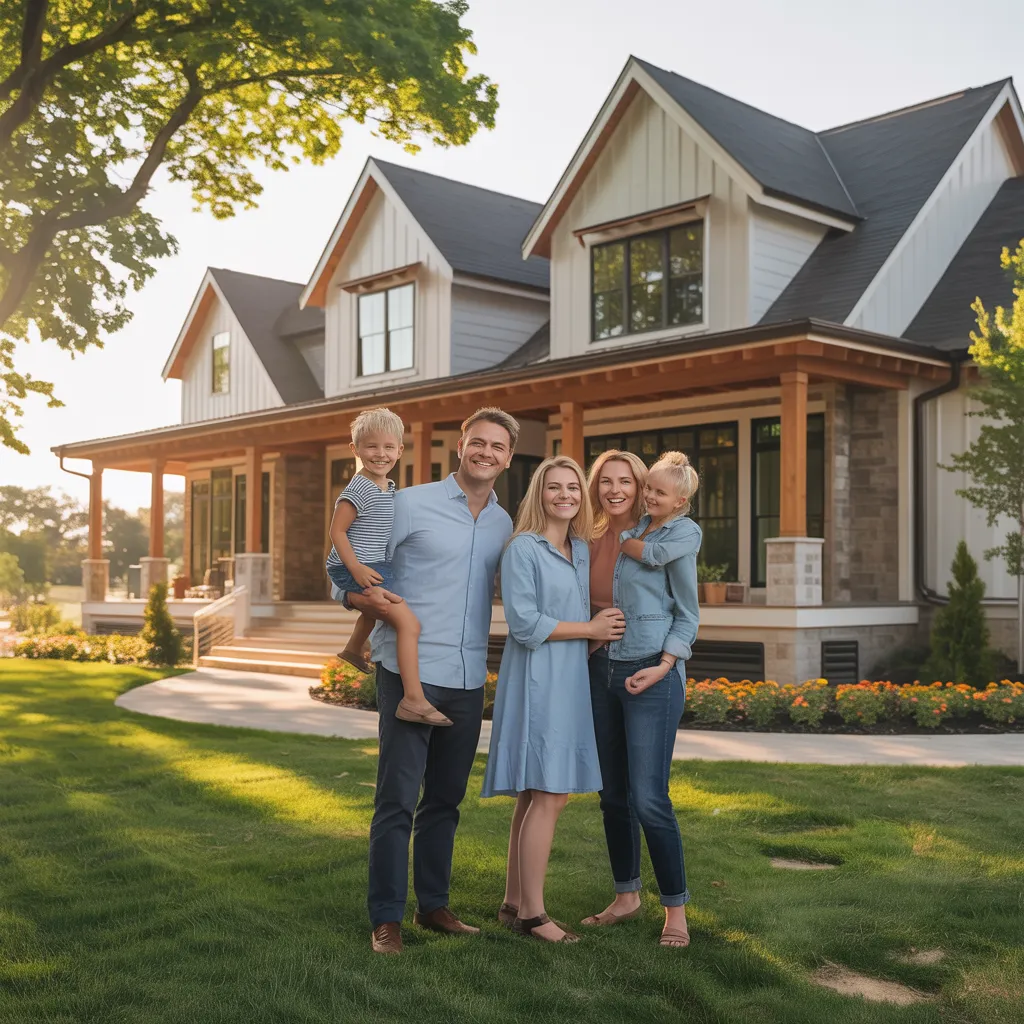
Why Are Custom Homes the Better Option?
Custom homes are often regarded as the best choice for those wanting a tailored living experience. They deliver a exceptional opportunity to build a living space that fulfills specific needs and preferences. Different from traditional homes, which often come with limitations in structure and aesthetics, custom homes empower homeowners to decide every aspect of their future residence. This includes choosing materials, finishes, and architectural styles that resonate with personal taste.
Furthermore, custom homes can be created to boost energy efficiency and sustainability, adhering to contemporary environmental standards. Homeowners can integrate advanced technology and smart home features that represent modern living. Furthermore, custom homes often present better resale value, as they appeal to specific buyer interests, making them a smart investment. Ultimately, choosing a custom home permits individuals to craft a space that is not only functional but also a true reflection of their lifestyle and aspirations.
Tailored Home Design Adaptability
Custom homes provide unmatched flexibility in their design, enabling homeowners to create spaces that truly capture their vision. Different from traditional homes, which often come with predetermined layouts and limited selections, custom homes empower clients to tailor every aspect to their preferences. This includes selecting floor plans, selecting materials, and incorporating unique architectural features that resonate with personal style.
Property owners have the ability to emphasize practicality, ensuring their areas fulfill particular requirements, such as open-plan living spaces, exclusive work-from-home areas, or expansive outdoor spaces. In addition, customization encompasses eco-friendly design solutions, advanced smart home solutions, and eco-friendly materials, matching modern living trends.
Such design versatility not only improves the aesthetic appeal of the home but also guarantees that it meets the family's future needs and lifestyle, making custom home building a prudent choice for discerning homeowners.
Why Quality Matters in Custom Home Building
Quality serves a vital function in the custom home building process, as it directly influences both the longevity and functionality of the home. Custom home builders emphasize high-quality materials and craftsmanship, which support the overall durability and aesthetic appeal of a residence. By focusing on quality, builders ensure that homes can withstand the test of time, decreasing the need for frequent repairs and maintenance.
Furthermore, quality influences energy efficiency and safety. Skillfully built homes utilize excellent insulation and energy-efficient systems, generating lower utility costs and a more comfortable living environment. In addition, meticulous attention to detail during the building process decreases the risk of structural issues and improves safety for occupants.
At the end of the day, investing in quality during custom home construction is crucial for homeowners desiring a durable and enjoyable living space. This focus on excellence not only enhances daily living but also cultivates a sense of pride in the home.
Financial Advantages of Building Custom Homes
Committing to a custom home typically generates considerable financial gains that go beyond initial construction costs. One primary benefit is energy efficiency; custom homes can be built using modern materials and systems that lower utility bills. This long-term savings can balance out the higher upfront costs linked to customization. Moreover, custom homes often appreciate more markedly than standard homes, as they can be adapted to fulfill specific market demands and buyer preferences.
One more financial benefit is decreased maintenance costs. By selecting high-quality materials and construction techniques, homeowners can reduce repairs and replacements over time. Moreover, a custom home can reflect the owner's lifestyle, potentially boosting market value if they opt to sell in the future. All things considered, the financial perks of selecting a custom home builder can lead to greater long-term returns on investment, making it a wise choice for discerning homeowners.
Understanding the Custom Home Building Process
When embarking upon the journey of building a custom home, homeowners must first familiarize themselves with the various stages of the construction process. The first phase encompasses conceptualizing the design, where homeowners work with architects to create blueprints that capture their vision. Following this, the permitting stage guarantees compliance with local regulations, a critical step that can affect the timeline.
When permits are secured, the groundwork starts, including preparing the site and laying the foundation. As the structure develops, the framing, roofing, and installing of essential systems like plumbing and electrical work take place. After the exterior is finalized, attention shifts to interior finishes, where homeowners can choose materials and fixtures to personalize their space.
In the end, a thorough inspection happens to confirm everything satisfies quality standards before the final walkthrough. Comprehending these stages can enable read guide homeowners, enabling them to navigate the process with enhanced confidence and clarity.
Frequently Asked Questions
How Long Does It Typically Take to Complete the Custom Home Building Process?
The process of constructing a custom home typically spans between 6 months to more than a year, based on numerous variables such as things like design complexity, required permits, and weather conditions, each of which can considerably impact construction timelines.
Can I Choose My Own Contractor for a Custom Home?
Yes, individuals can choose their own contractor for a custom home. This option enables more comprehensive oversight of the project's course, guaranteeing that the contractor matches the homeowner's vision and particular needs during the entire process.
What Permits Must Be Obtained for Custom Home Construction?
Permits needed for custom home construction typically include electrical, plumbing, mechanical, and building permits, along with zoning and environmental approvals. Local requirements may differ, so consulting the relevant authorities is vital for compliance.
How Does Your Location Impact Custom Home Costs?
Where you build substantially impacts custom home costs due to elements such as land prices, local labor rates, and zoning regulations. Additionally, proximity to amenities and desirable neighborhoods can drive up expenses, influencing overall budget and design choices.
Are There Energy-Efficient Options for Custom Homes?
Custom homes can indeed be energy-efficient choices. Builders typically implement eco-friendly materials, superior insulation, and energy-saving appliances, permitting homeowners to decrease monthly expenses while decreasing their environmental impact, therefore boosting overall comfort and sustainability.